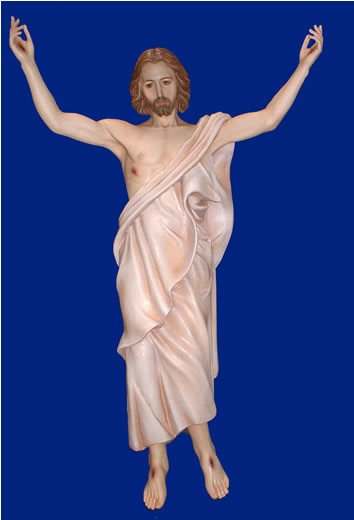
When a sacred space asks for a single, steady focal point, we look for work that can carry both beauty and meaning. Risen Christ 48″ is designed for that quiet strength—an enduring figure for chapels, devotional rooms, and personal collections where prayer becomes a daily rhythm.
Craftsmanship and material presence
Our artisans bring Italian-trained discipline to every stage: careful modeling, precise mould preparation, and finishing that respects the figure’s anatomy and devotional intent. We work with the patience required for fine surface transitions—where light should glide across form rather than break on roughness.
Most of our bronze work is finished with a deliberate surface treatment and patina work that deepens character over time. The goal is not a “shiny” look, but a dignified, prayer-ready presence—one that feels grounded in craft, not spectacle.
Religious symbolism that holds attention
Risen Christ stands at the heart of Christian hope: the Resurrection made visible, not abstract. In this sculpture, the posture and expression are shaped to draw the eye upward, guiding the viewer from contemplation to trust. It’s the kind of devotional image that supports liturgy and private prayer alike—present, readable, and reverent.
For clergy and designers, this is often the deciding factor: the figure communicates clearly from the pew line or the doorway, while still rewarding close viewing with the subtleties of sculpted detail.
Placement and use in a chapel or collection
We often recommend placing a work like this where it becomes a natural pause point—near an altar approach, in a side chapel, or within a dedicated prayer niche. The aim is simple: let the sculpture “meet” the faithful as they enter, so the space itself becomes a quiet invitation to pray.
-
Chapel focal point: position it so it can be seen comfortably from the main seating area.
-
Devotional corner: pair it with a stable base or plinth and keep the surrounding sightlines clean.
-
Processional approach: place it where movement toward the altar naturally brings the figure into view.
If your space needs a specific scale or configuration, we can discuss custom sizing and commission options so the sculpture fits the architecture rather than fighting it.
Care for lasting beauty
Religious sculptures live with people—hands, air, seasons, and dust. Our approach to care is practical and respectful. We recommend gentle, routine cleaning with soft, dry cloths and careful handling around any patina surfaces. Avoid harsh chemicals and abrasive materials, which can dull or disrupt oxidation character.
For long-term preservation, we also advise keeping the sculpture away from direct exposure to heavy moisture and strong, constant sunlight. In most indoor chapel settings, thoughtful placement and periodic dusting are enough to keep the finish dignified for years.
FAQ
1) Is Risen Christ 48″ suitable for a chapel altar area, or is it better for a side chapel?
Both can work beautifully. In our experience, the deciding factor is sightline: we want the figure to be readable from where people gather, without overpowering the altar’s liturgical role. For side chapels, the sculpture often becomes a calm focal point for quiet prayer. For altar areas, we recommend placement that supports the flow of movement and keeps the composition balanced.
2) Can our studio help with custom sizing for a specific architectural space?
Yes. When a chapel has unique proportions—tall niches, low ceilings, or a particular distance from the seating—we can discuss custom sizing and commission adjustments. Our goal is for the sculpture to feel intentional in the space: correct scale, comfortable viewing distance, and a presence that harmonizes with the surrounding stone, wood, and lighting.
3) What kind of finish should we expect, and how does it age?
Our bronze work is typically finished with a patina and surface treatment designed to look dignified, not theatrical. Over time, patina character can deepen with natural oxidation, especially when kept in stable indoor conditions. We guide clients on cleaning practices that protect the surface so the sculpture continues to look prayer-ready rather than “worked on.”
4) How should we clean and maintain it in a busy church environment?
We recommend gentle dust removal with a soft, dry cloth on a regular schedule. If deeper cleaning is needed, we advise using methods that do not disturb the patina. Avoid abrasive pads and harsh chemical cleaners, which can damage surface character. For busy spaces, consistent light care is usually better than occasional heavy cleaning.
5) What should we consider when choosing a base or plinth for this sculpture?
A stable, well-proportioned base helps the figure read clearly and feel secure in the space. We typically consider the viewing angle, the surrounding architectural lines, and the practical needs of installation. If you’re planning a dedicated devotional niche, we can help you think through how the base height and placement will affect how the sculpture’s upward movement is perceived.
Inquire about this sculpture
This story accompanies the sculpture Risen Christ 48″ in our catalog.