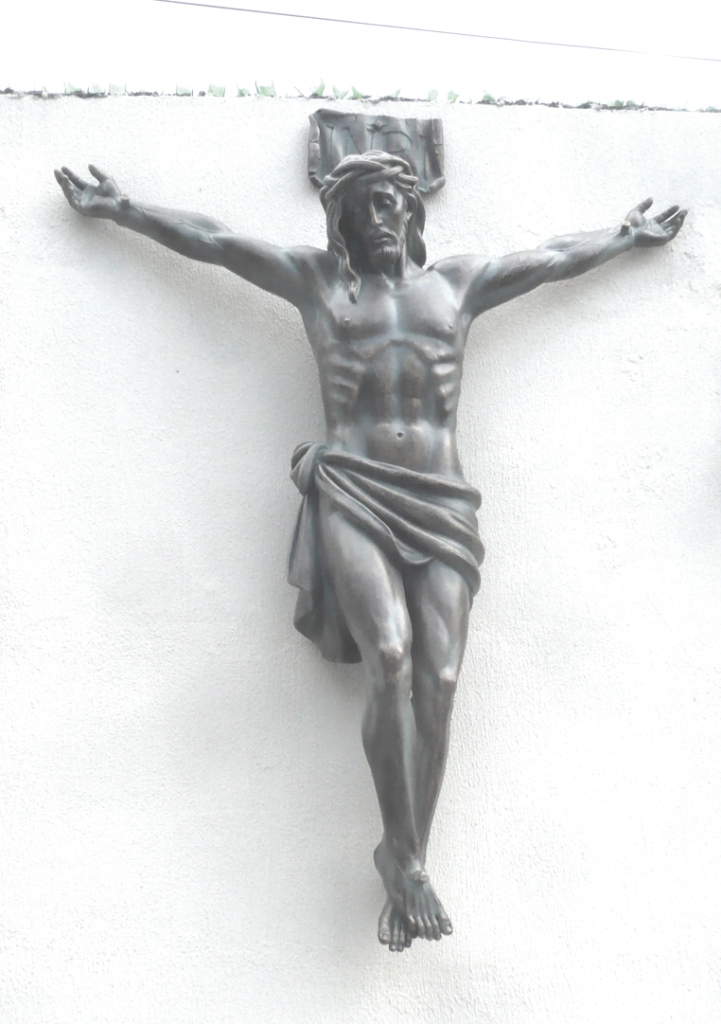
When we make a Corpus for a chapel or a collector’s space, we treat it as sacred architecture in sculpture form. Our artisans approach the work with the same seriousness we bring to monuments: proportion, anatomy, and surface must all hold together—up close, from across the room, and under the particular quality of your light.
Craftsmanship and material presence
In our workshop, we build religious figures through a disciplined foundry process and a careful finishing workflow. The goal is not only likeness, but a surface that feels alive—where highlights land cleanly and shadows gather naturally. Most of our bronze work is finished with patina and protective surface treatment, then brought to a refined, stable appearance through polishing and oxidation control.
Every stage matters: the mould and casting quality, the chasing and cleanup after release, and the final surface treatment that gives the figure depth rather than shine. We also plan the mounting so the sculpture reads well in its intended viewing position—balanced, secure, and visually grounded.
Religious symbolism with quiet intensity
The Corpus speaks with a direct, human clarity. It is a devotional image that invites stillness—less about spectacle, more about presence. In our studio, we pay particular attention to how the figure’s form carries emotion: the tension of posture, the rhythm of anatomy, and the way drapery-like contouring (where present) frames the body’s central focus.
Placed thoughtfully, this kind of sculpture becomes a focal point for liturgy and private prayer alike—supporting contemplation through its steadiness, not through excess.
Placement and use in a sacred space
For chapels, we often recommend treating the Corpus as a visual anchor. Consider sightlines: where will the figure be seen from the pews or chairs, and how does it align with the altar area or the room’s main axis? Light direction is equally important—side lighting can deepen modelling, while overhead lighting can emphasize the silhouette.
For private collections, the Corpus works best when the surrounding space gives it breathing room. We typically advise pairing it with a stable base or plinth solution so the figure feels firmly rooted, not floating. If your space includes wood, stone, or muted plaster tones, the bronze surface often harmonizes beautifully.
- Chapel focal point: align with the room’s main axis for a calm, intentional sightline.
- Private devotion: choose a quiet wall or niche with sufficient clearance for viewing.
- Light planning: test how highlights and shadows fall at different times of day.
- Mounting confidence: ensure secure installation for long-term stability.
Care, handling, and long-term beauty
Bronze sculptures are built to last, but they still deserve thoughtful care. Our artisans finish the surface to encourage durability and visual stability; however, the environment matters. If the piece is in a humid area or near frequent temperature changes, we recommend a protective approach and periodic inspection.
In general, we advise gentle cleaning—soft cloth, minimal handling, and no harsh abrasives. Avoid aggressive chemical cleaners that can disturb patina. If you have a specific setting in mind, our studio can guide you on a suitable care routine based on your climate and indoor conditions.
FAQ
1) Is Corpus 96″ appropriate for a chapel, or is it mainly for private collectors?
It’s made to serve both. In chapels, it can function as a steady devotional focal point, helping the space feel intentional during prayer. In private collections, it offers the same presence—quiet, grounded, and contemplative—especially when the surrounding environment supports a respectful viewing distance and lighting.
2) How do we choose the right placement so the sculpture reads well from the congregation or guests?
We look first at sightlines and then at light. The Corpus should be visible without strain and should align with the room’s main axis when possible. If you can, observe how the sculpture looks at different times of day; side light often reveals modelling depth, while overhead light emphasizes silhouette. We can advise on mounting height and viewing distance for your specific room.
3) What should we expect from the surface finish over time?
Our bronze work is finished with patina and a protective surface treatment designed for long-term visual stability. Over time, environmental factors can subtly influence oxidation and tone. With gentle cleaning and periodic inspection, the sculpture typically maintains its character and depth—rather than losing its presence.
4) Can our studio commission a custom size or configuration for a specific sacred space?
Yes. When a chapel or collector’s room has particular proportions, we can adapt the work through commission-scale planning. Our team typically discusses the intended viewing distance, wall or niche dimensions, and the desired visual weight so the final piece feels perfectly at home.
5) What’s the best way to keep the Corpus looking its best without damaging the patina?
Use soft, non-abrasive cleaning methods—typically a dry or lightly damp cloth—and avoid harsh chemicals or polishing compounds. Handle the sculpture as little as possible. If you’re installing in a sensitive environment—humidity, coastal air, or heavy dust—we recommend a short care plan so the patina remains beautiful and consistent.
Inquire about this sculpture.
Bring us your chapel plans or your collection vision—we’ll help you place and finish a Corpus that holds devotion with dignity.
This story accompanies the sculpture Corpus 96″ in our catalog.