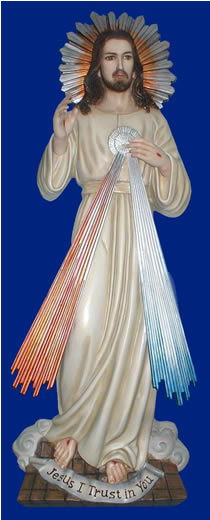
In our atelier, we’ve learned that mercy is not only a theme—it’s a presence. The Jesus of Mercy plaque is built to carry that presence with clarity: a composed figure, a devotional expression, and a surface treatment that welcomes light rather than fighting it. Whether it’s installed as a focal work or placed close to daily prayer, it’s made to feel steady, reverent, and lasting.
Craftsmanship and material finishing
Our artisans work with the discipline of Italian-trained sculpture practice: careful modeling, controlled casting, and finishing that respects both form and devotion. Plaques like this are shaped so the figure reads cleanly from a respectful distance, while still rewarding a closer look at the transitions—where drapery meets the body, where contours soften, and where the face holds its calm.
After casting, we bring the surface to its final character through finishing and polishing, then apply a surface treatment designed for depth and harmony. For bronze work, this typically includes patina work and controlled oxidation so the sculpture’s tonal range feels natural under chapel lighting. Finally, we focus on mounting readiness—so the plaque sits securely and aligns beautifully in its intended space.
Religious symbolism in form and devotion
The Jesus of Mercy subject is chosen for a reason: it speaks to tenderness, trust, and the steady rhythm of prayer. In our workshop, we treat the figure as more than an image. We shape the composition so it supports contemplation—guiding the eye to the face, then letting the drapery and relief details frame the devotion rather than distract from it.
Mercy in sculpture must feel human and close. That’s why our finishing emphasizes the gentle modeling of the features and the clarity of the relief. The result is a plaque that can serve as a quiet anchor for reflection—especially in spaces where people come to breathe, to ask, and to give thanks.
Placement and use in chapel or home
For a 41″ plaque, placement matters. We typically recommend mounting it at a height where the figure’s expression meets the viewer naturally—so it feels present during prayer, not distant like a monument. In a chapel, it often becomes a focal work near a devotional pathway, a side wall, or an area where the faithful pause before continuing.
In a home setting, we see it work beautifully in a dedicated prayer corner, a hallway niche, or a quiet room where the light can skim across the relief. If you’re planning a memorial use, we also help clients consider sightlines—so the plaque is seen with dignity and remains easy to revisit.
- Chapel focal wall: mount where congregants naturally look during moments of reflection.
- Side devotional placement: choose a location with soft, consistent light to reveal relief depth.
- Home prayer corner: place at eye level for daily use and calm presence.
- Memorial context: align the plaque with the space’s main sightline for respectful remembrance.
Care for lasting beauty
Devotional bronze and finished surfaces are meant to age with grace. Our team typically advises gentle, regular care: dust with a soft, dry cloth and avoid harsh abrasives that can disturb patina. If the plaque is installed in a high-humidity environment, we recommend monitoring moisture and keeping the surrounding area well ventilated.
For routine maintenance, we suggest treating the surface as you would a sacred object—clean, careful, and infrequent. If you ever notice changes in tone from oxidation or environmental exposure, our studio can guide you on the right approach to preserve the intended finish.
Frequently asked questions
1) Is a Jesus of Mercy plaque suitable for a church wall installation?
Yes. We design plaques for devotional visibility—so the figure reads clearly and the relief holds its character under typical chapel lighting. When a church commissions or purchases a plaque, we also consider mounting readiness and alignment, because a sacred work should sit securely and look intentional from the first glance.
2) How do we choose the right height for a 41″ plaque?
We recommend positioning the plaque so the face meets the viewer naturally during prayer or conversation—often around eye level for the primary viewing audience. In a chapel, we also consider sightlines from pews and walkways. If you share your wall layout, we can advise on a placement plan that supports reverence and comfort.
3) Can our studio customize the plaque for a specific chapel or home?
Our studio regularly supports custom sculpture needs, including size adjustments to better fit a given wall, niche, or devotional program. We can also discuss how the finish will interact with your lighting conditions, so the relief depth and tonal character feel harmonious in your space.
4) What finish should we expect, and how does it age?
Most of our bronze work is finished to achieve a balanced tonal range, then treated with patina and controlled oxidation for depth. Over time, bronze can continue to evolve subtly with environment and light. With gentle cleaning and appropriate placement, the plaque typically retains its devotional beauty for years.
5) How should we clean the plaque without damaging the surface treatment?
Use a soft, dry cloth for dusting and avoid abrasive cleaners or aggressive polishing compounds. If the plaque needs deeper cleaning due to environmental exposure, our studio can advise on a careful approach that respects the patina and surface treatment. The goal is always to preserve the intended character, not to “reset” it.
Inquire about this sculpture.
This story accompanies the sculpture Jesus of Mercy 41″ plaque in our catalog.