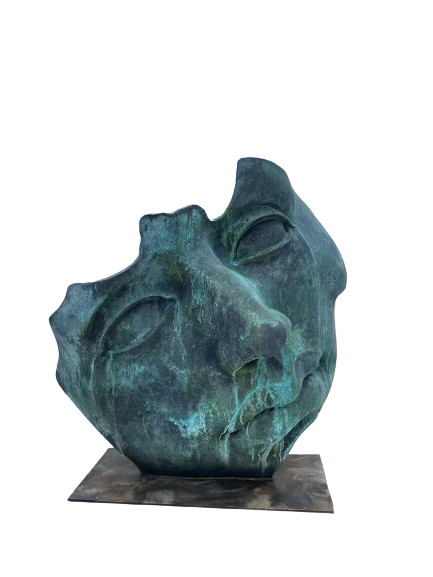
There are sculptures that announce themselves, and then there are sculptures that simply arrive—steady, intimate, and impossible to ignore once you stand before them. Our bronze “Face” is made for that second kind of presence. We build the likeness through craft decisions you can feel: the way contours catch the eye, the way the surface holds shadow, and the way the whole piece seems to breathe with character.
Craftsmanship and Material
We produce our bronze works through the discipline of foundry practice—most often using lost-wax casting—so the final form carries the fidelity of the original model. From there, our artisans move into finishing: refining edges, deepening detail, and correcting the small things that make a face feel alive rather than merely rendered.
Bronze is a material with a long memory. Over time, it develops a patina through natural oxidation and our controlled surface treatment. We aim for a finish that looks intentional in the first day and continues to mature gracefully as the years pass. The result is a surface that doesn’t just reflect light—it gathers it.
Religious Symbolism of the Human Face
In sacred spaces, the human face carries a particular weight. It speaks of personhood, dignity, and the quiet truth that every life has a countenance known to God. Even when a sculpture is not overtly narrative, a face can function as a devotional anchor—an invitation to pause, to remember, and to look with reverence.
Our “Face” is designed to hold that contemplative mood. The emotional depth comes from proportion, expression, and the careful modeling of features so the piece feels grounded in real humanity. For memorial settings, that same quality becomes a respectful language of remembrance.
Placement and Use in Home, Chapel, or Memorial
We often recommend placing a bronze face where people naturally slow down. In a home, that might be an entry console, a study shelf, or a dedicated niche where the sculpture can receive steady, gentle light. In a chapel or prayer room, we like it near a place of gathering—somewhere it can become a calm focal point without competing with the liturgical rhythm.
Because bronze has presence, we also consider sightlines. If the piece is viewed from a standing position, we ensure the expression reads clearly at that distance. If it’s meant for intimate viewing, we design the surface so detail remains legible up close.
- Home: entryways, libraries, or a quiet corner with consistent lighting.
- Chapel: a contemplative focal point near prayer seating or a memorial wall.
- Memorial: a dignified centerpiece on a plinth or base where visitors can pause.
We also offer custom sizing for clients who need the sculpture to fit a specific architectural moment. When you commission, we can tailor the scale so the face feels proportionate to its environment.
Care and Longevity
Bronze is built to last, and proper care helps the patina remain beautiful rather than neglected. We recommend regular, gentle dusting with a soft cloth. Avoid harsh abrasives that can disturb the surface treatment.
If the sculpture is placed outdoors, we advise using a location with protection from constant standing water and heavy salt exposure. Indoors, keep it away from direct streams of moisture and extreme humidity. With thoughtful care, the oxidation and patina development that make bronze special will continue to enrich the surface over time.
Frequently Asked Questions
-
How do we choose the right size of a bronze face sculpture for our space?
We start with how the piece will be viewed—standing distance in a chapel or intimate viewing in a home. From there, we guide you toward a scale that reads clearly without overpowering the room. If you have a specific architectural opening, plinth, or memorial wall area, we can work with you on custom sizing so the face feels proportionate and intentional.
-
What finish should we expect on a bronze face sculpture?
Our atelier typically finishes bronze with a surface treatment designed to support a rich, stable patina. The goal is a finish that holds light well and develops character over time through oxidation. We focus on clean detail definition—especially around contours and facial features—so the expression remains legible and dignified in both bright and low-light settings.
-
Can this sculpture be used for a memorial or remembrance space?
Yes. A face carries a universal language of personhood, which is why bronze works like this often find their place in memorial settings. We help clients consider sightlines, placement, and lighting so visitors can pause naturally. Whether it’s a standalone piece on a base or integrated into a memorial arrangement, the sculpture’s emotional depth supports quiet remembrance.
-
Is the sculpture suitable for a chapel or religious interior?
In our experience, it belongs beautifully in prayer spaces because it invites contemplation rather than spectacle. The human face can function as a devotional focal point—steady, respectful, and human. We can advise on placement near seating or along a contemplative path so the sculpture supports the room’s spiritual rhythm.
-
How should we clean and protect the bronze over the years?
For routine care, use a soft cloth for dusting and avoid abrasive cleaners that can dull or disturb the surface treatment. If the sculpture is outdoors, we recommend minimizing exposure to standing water and harsh environmental conditions. With gentle maintenance, the patina will continue to mature gracefully, adding depth rather than needing frequent restoration.
When you’re ready, we’ll help you shape the commission around your space—so the face feels at home, and the craft shows in every contour.
This story accompanies the sculpture Face in our catalog.