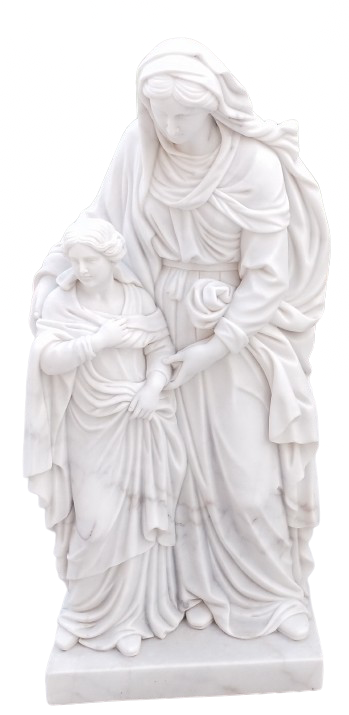
In our studio, we treat every religious commission as both art and witness. Our Divine Mercy sculpture is built to carry that responsibility with steadiness: a serene figure, arms outstretched in blessing, and a surface that rewards close viewing. The more time you give it, the more the details of the robes and expression settle into your attention.
Craftsmanship and material
This piece is made in bronze, a material our artisans know well for its durability and luminous finish. We work through the foundry process with care, then return to the hand-finished stage so the work feels alive—not merely cast. Refining the contours, sharpening the transitions in the drapery, and bringing the face and hands into calm clarity are the moments that separate a good bronze from a truly devotional one.
Our finishing emphasizes patina—rich, layered oxidation tones that add depth and warmth. Proper surface treatment matters here: it protects the bronze while also giving it that gentle, sacred presence that doesn’t shout, but still holds the room.
Religious symbolism of mercy
The gesture of blessing—arms outstretched—speaks in a language of welcome. In this Divine Mercy sculpture, the posture invites contemplation: the figure stands as an image of compassion offered without hesitation. The flowing robes are not decorative only; they help communicate movement and tenderness, guiding the eye from the expression outward and back again.
Because the sculptural form is meant for prayer, we pay attention to how the figure reads at typical viewing distances. The face remains gentle and clear, while the drapery catches light in a way that supports reflection rather than distraction.
Placement and use in a sacred space
We often recommend this kind of bronze work for churches, chapels, and private collections where a blessing figure can become a calm anchor. Whether your setting is formal or intimate, the open-armed composition tends to draw the eye naturally—making it especially fitting near areas of devotion, quiet gathering, or personal prayer.
For placement, consider how light will move across the patina. Bronze with a nuanced surface treatment looks best when it can receive steady illumination rather than harsh glare. Indoors, it brings warmth to stone and wood surroundings; outdoors, it can serve as a durable devotional presence when installed with appropriate care for the environment.
Care for longevity and beauty
Bronze is resilient, but it still deserves respectful maintenance. Our studio typically advises gentle cleaning and careful handling of the patina so the surface remains even and luminous. Avoid abrasive materials that can disturb the oxidation layer, and be mindful of repeated contact points where oils from hands can dull the finish over time.
If the sculpture is installed outdoors, routine inspection is wise—especially after weather extremes—so any surface changes can be addressed promptly by qualified conservators or our finishing team.
Frequently asked questions
-
Is a Divine Mercy sculpture suitable for a chapel or church sanctuary?
Yes. In our experience, blessing figures like this one become meaningful focal points in chapels and church spaces because they read clearly from typical pew or aisle distances. We often help clients think through sightlines and lighting so the patina and facial detail remain visible during prayer, not just from one angle.
-
Can this bronze sculpture be displayed outdoors?
Many clients choose bronze for outdoor devotion because of its durability. Our artisans can advise on installation considerations and surface care to support long-term beauty. We recommend planning for exposure patterns—sun, rain, and wind—so the patina ages gracefully rather than unevenly.
-
What makes the patina finish important for religious sculpture?
Patina is not only color; it’s depth. Our hand-finishing aims to create a surface that holds light softly and reveals detail in the robes, hands, and expression. When the patina is treated with respect, the sculpture feels more contemplative—inviting attention instead of reflecting harshly.
-
Do you offer customization for a specific space or aesthetic?
We can assist with bespoke options so the work fits your space and visual language. Customization may involve finishing preferences and presentation choices that align with your sanctuary materials and lighting. If you’re commissioning for a particular chapel layout, we’ll guide you toward a result that feels intentional.
-
How should we clean and maintain the sculpture day to day?
For routine care, use gentle methods that won’t abrade the patina. We recommend soft, non-abrasive cleaning and avoiding harsh chemicals. If the sculpture is handled frequently, consider protective handling habits to reduce oil transfer to the surface. For deeper restoration or outdoor maintenance, consult professionals familiar with bronze oxidation.
Our artisans build Divine Mercy sculpture to last—through careful casting, patient hand-finishing, and a patina that supports reverence. If you’re planning a new devotion space or enriching an existing one, we’d be honored to help you choose the right presence.
This story accompanies the sculpture Divine Mercy – Handcrafted Religious Sculpture in our catalog.