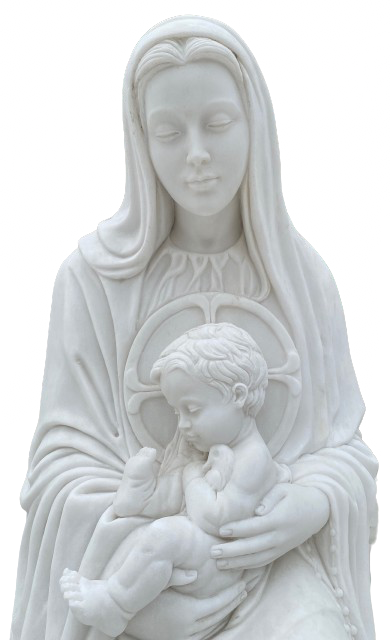
In our studio, we treat religious bronze as a craft of both form and atmosphere. “Divine Grace” is created to feel calm and close—an invitation to pause, to look again, and to let reverence settle. The figure’s serene posture and expressive features are not added as decoration; they are sculpted so the work carries its message through presence.
Craftsmanship/material
Our artisans begin with the discipline of the atelier and the practical intelligence of the foundry. Bronze is cast using the lost-wax method, then refined so the sculpture reads cleanly from multiple distances—whether it’s viewed in a chapel aisle or in a quiet room.
After casting, the real work continues at the bench: hand-finishing to define details, polishing where light should catch, and careful surface treatment where depth matters most. We build a rich bronze patina that adds character and warmth, and we finish with an eye for how oxidation will evolve over time—so the sculpture ages gracefully rather than becoming dull.
Religious symbolism
Divine Grace is shaped around a moment of spiritual tenderness—devotional in tone, yet sculpted with disciplined anatomy and flowing line. In works like this, symbolism lives in proportion and gesture: the calm expression, the gentle alignment of the figure, and the way the forms open the space around them.
Because bronze holds subtle transitions so well, the sculpture’s serenity becomes tactile. The viewer doesn’t just see the subject; they feel the stillness the sculptor intended—an atmosphere of faith and hope meant to support prayer.
Placement/use
We often recommend bronze sculptures for sacred spaces where visitors can approach slowly and look without interruption. “Divine Grace” is well suited to:
- Churches and chapels as a contemplative centerpiece
- Quiet side altars or devotional niches where the figure can be seen clearly
- Private collections and meditation rooms that need a focal point of reverence
- Grand entryways where the work sets a tone of welcome and reflection
If your goal is prayerful intimacy, we advise placing the sculpture where it can be viewed at eye level and where lighting can gently reveal the patina’s depth. If your goal is ceremonial presence, we design the installation so the silhouette remains dignified from the main approach.
Care and longevity
Bronze is durable, but it still deserves thoughtful care. Our studio recommends regular, gentle cleaning—soft cloth first, then light dusting—so the patina stays luminous rather than accumulating grime. Avoid harsh abrasives that can disturb the surface treatment and dull the finish.
For long-term stability, keep the sculpture away from constant moisture and aggressive cleaning agents. If the environment is particularly humid or exposed, our team can advise on protective strategies suited to your setting so the bronze can continue to develop naturally without unwanted corrosion.
FAQ
1) Is Divine Grace suitable for a church or chapel centerpiece?
Yes. We create this kind of bronze work to carry reverence in a public setting—clear reading of form, dignified silhouette, and a patina that holds its character under typical chapel lighting. For best results, we help you consider sightlines and the viewing height so the sculpture invites reflection rather than becoming visually distant.
2) How do you finish the bronze so the patina looks rich in person?
Our artisans hand-finish after casting to refine details and control where light should catch. We then develop a rich patina through controlled surface treatment, aiming for depth rather than flat color. The goal is a finish that looks alive—subtle transitions, gentle warmth, and an appearance that continues to mature over time.
3) What kind of lighting works best for a bronze sculpture like this?
Bronze responds beautifully to gentle, directional light. In chapels and churches, we typically look for lighting that reveals the contours without glare—so facial features and flowing lines read clearly. If you’re planning an installation, tell us your room’s lighting approach and we’ll guide you toward a setup that honors the patina.
4) How should we clean and maintain the sculpture?
Use a soft, dry cloth for routine dusting. For deeper cleaning, we recommend gentle methods that don’t attack the surface treatment. Avoid abrasive pads and strong chemicals that can disturb the patina. In humid environments, consistent light maintenance and environment-aware protection help the bronze stay stable and luminous.
5) Can our studio customize the installation for a specific sacred space?
Yes. While our atelier focuses on the sculptural work, we also support installation planning so the sculpture fits your space with dignity. We can advise on placement, mounting considerations, and how to integrate the piece with the surrounding devotional architecture—so the final presentation feels intentional and prayer-friendly.
We would be honored to help you shape this sculpture into the right presence for your community.
This story accompanies the sculpture Divine Grace: Religious Bronze Sculpture in our catalog.