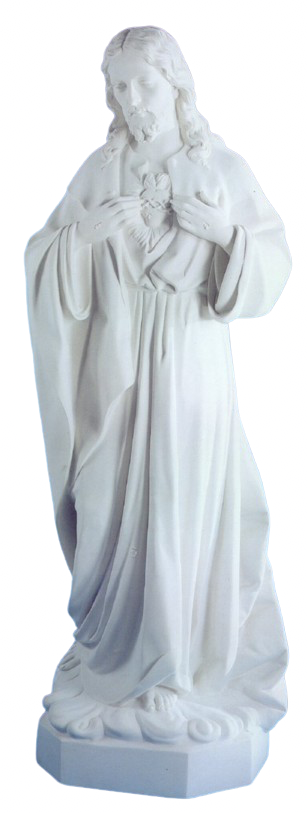
When a sacred space asks for a quiet focal point, we reach for bronze—because it carries light, weight, and stillness in the same breath. Our Divine Grace sculpture is made to feel devotional at first glance, and then more personal the longer you stand with it. The form is composed for contemplation: flowing lines, softened contours, and an expression of serenity that invites prayer rather than performance.
Craftsmanship/material
We work with the discipline of Italian-trained artisans and the patience of a foundry. This piece is produced through lost-wax casting, then brought to life through careful finishing. Every curve and contour is refined by hand so the surface holds together visually—smooth where it should be, richly textured where the bronze needs to breathe.
Our team then develops a deep patina that enhances the sculpture’s depth and character. Patina is not an afterthought; it’s part of the sculpture’s language. It settles into the details, moderates highlights, and gives the bronze a lived-in warmth that photographs can’t fully capture.
Religious symbolism
Divine Grace is designed as a moment of serene devotion—an invitation to reflect on the divine presence with calm attention. The flowing movement of the sculpture’s lines communicates mercy and spiritual ease, while the delicate features draw the eye inward. In a sacred setting, that inward pull matters: it helps visitors slow down, center themselves, and meet the work in a personal way.
In our experience, bronze is especially effective for this kind of symbolism. Its permanence and weight speak to endurance, while the softened surface treatment supports a meditative mood. The result is a devotional piece that feels both grounded and uplifting.
Placement/use
We often recommend Divine Grace for spaces where people come to pray quietly—church sanctuaries, chapels, shrines, and prayer rooms. Its presence works as a centerpiece when you want a focal point that doesn’t overwhelm the architecture. It also pairs naturally with contemplative environments, where visitors are meant to linger.
We can guide you on installation and placement so the sculpture harmonizes with its surroundings. For indoor settings, the bronze’s patina reads beautifully under steady lighting. For outdoor placement, our consultation helps you plan for environmental exposure so the surface remains visually rich over time.
Care
To keep the patina beautiful, we advise gentle, regular care. Use soft, dry cloths for routine dusting and avoid harsh cleaners that can disturb the surface treatment. If the sculpture is installed outdoors, periodic inspection after weather changes helps you address any surface buildup early.
Our studio can also advise on best practices for your specific setting—especially when the piece is exposed to sun, wind-driven dust, or seasonal moisture. Proper care preserves the bronze’s character and helps the patina continue to deepen gracefully.
FAQ
-
Is Divine Grace bronze suitable as a church centerpiece?
Yes. We design this kind of devotional bronze to function as a focal point—present enough to anchor a sanctuary or chapel, yet calm enough to support prayer. In our studio, we pay attention to how the form reads from typical viewing distances, so the sculpture feels coherent in real worship spaces, not just in close-up.
-
Can we place it outdoors at a shrine or garden?
Many of our bronze commissions are created with outdoor devotion in mind, and we provide placement guidance for those settings. The key is thoughtful installation and routine care so the patina remains visually rich. If your site has strong sun or frequent moisture, we’ll help you plan the best approach for long-term appearance.
-
How does the patina affect the sculpture’s appearance over time?
Patina is part of the sculpture’s finish, and it’s meant to enhance depth and character. With attentive care, the surface typically maintains its devotional warmth and detail. We recommend gentle cleaning methods—soft dusting and avoiding abrasive chemicals—so the patina stays stable and expressive rather than prematurely altered.
-
Do you offer consultation for installation and placement?
We do. Our team typically supports consultation so the sculpture harmonizes with your architecture, lighting conditions, and viewing flow. For procurement teams and clergy, we can also advise on practical considerations for mounting and placement planning, helping you move from selection to installation with confidence.
-
Can this sculpture be customized for a specific sacred space?
We can discuss customization to fit your vision. Our atelier is used to tailoring devotional works to the needs of churches, shrines, and contemplative rooms—whether that means aligning the piece with your space’s proportions or adjusting presentation details. If you tell us how the sculpture will be used, we’ll propose a thoughtful path forward.
Inquire about this sculpture.
We’d be honored to help you choose a piece that fits your sanctuary’s rhythm—so grace is not only seen, but felt.
This story accompanies the sculpture Divine Grace: A Religious Bronze Sculpture in our catalog.