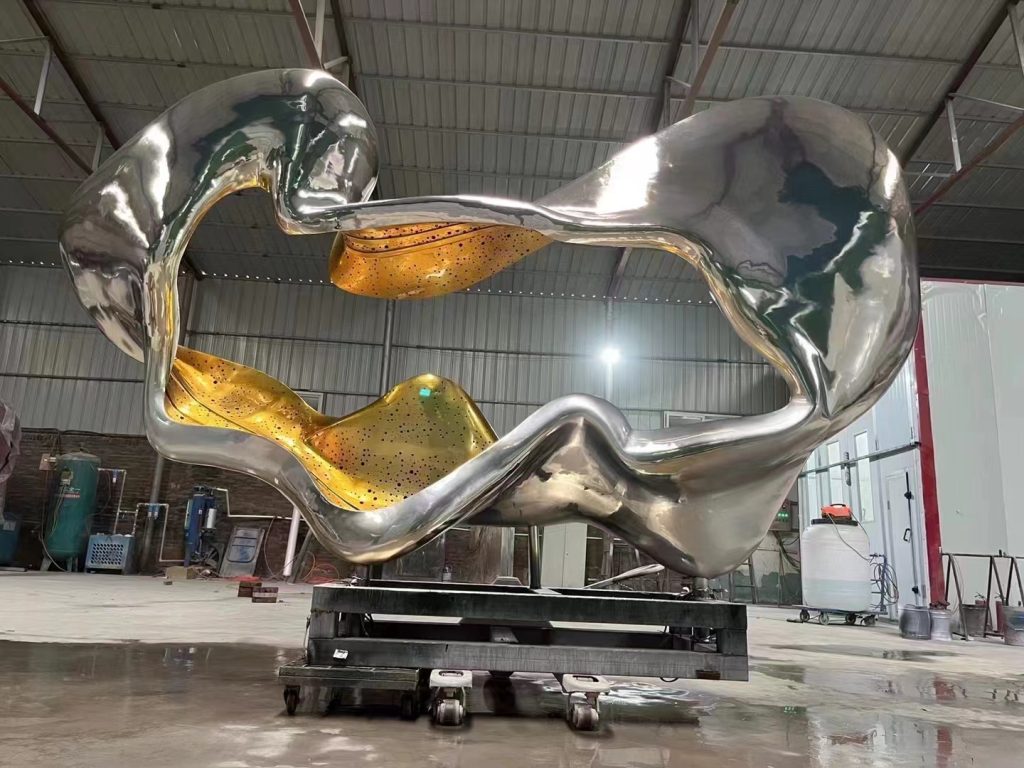
When a sacred space asks for something more than ornament, we reach for form that can breathe. Abstract Form 1 is our kind of modern sculpture—fluid, attentive to light, and steady enough to feel at home beside prayer. In bronze, it carries warmth without noise, and it holds the eye the way a candle does: not by shouting, but by gathering attention.
Craftsmanship and material
We cast this work in bronze and then bring it to life through hand-finished detailing. Our artisans work the surface with the care you’d expect from Italian atelier practice—refining contours, preserving the integrity of the design, and preparing the piece for a finish that feels both elegant and durable. The patina is not a coating that hides; it’s a surface treatment that deepens the sculpture’s character, creating depth where the light turns.
Because bronze is inherently suited to long-term display, Abstract Form 1 can be placed indoors or outdoors. In either setting, the interplay of light and shadow becomes part of the experience—shifting gently as the day changes.
Religious symbolism in modern form
This is not symbolism by literal depiction. Abstract Form 1 speaks through movement and balance—through the way its contours suggest direction, ascent, and encounter. In a chapel or prayer room, that kind of abstraction becomes a companion to the liturgy: it supports reflection without competing with it.
We often find that modern bronze works like this help people slow down. The eye follows the fluid lines, and the mind settles. The sculpture’s rich patina adds warmth, so the piece feels human—grounded, not distant.
Placement and use in a sacred space
In our experience, the best placement is the one that lets the sculpture “participate” in the room’s light. Abstract Form 1 is well suited to a focal area where visitors naturally pause—near a chapel entrance, in a quiet side space, or as a contemplative presence within a gallery-like sanctuary.
For outdoor settings, we recommend choosing a stable location protected from harsh mechanical impact. For indoor settings, we look for a spot where the sculpture’s contours can catch ambient light—so the shadows and highlights do their work.
-
Chapel side space: place where it can be seen during moments of waiting and reflection.
-
Entrance or vestibule: let it welcome quietly, without visual clutter.
-
Garden or courtyard: use bronze’s natural resilience to create a lasting devotional landmark.
-
Gallery-style sanctuary: pair with restrained lighting to emphasize the patina and form.
Care for bronze patina and longevity
Bronze is a material that rewards proper care. Our patina is designed to develop character over time, but it still benefits from thoughtful maintenance. For indoor pieces, regular gentle dusting is usually enough. For outdoor display, we recommend periodic inspection and cleaning to remove environmental residue before it becomes embedded in the surface.
If you’re commissioning for a chapel or public setting, we can advise on a care routine that matches your climate and exposure. The goal is simple: preserve the sculpture’s warmth, protect the surface treatment, and keep the light play as beautiful as the day it was installed.
Frequently asked questions
-
Will Abstract Form 1 feel appropriate in a chapel, or is it too modern?
In our workshop, we design modern bronze to serve sacred spaces, not to replace them. Abstract Form 1’s language is quiet—fluid lines, balanced contours, and a warm patina that supports contemplation. It doesn’t demand interpretation through literal figures, so it can accompany prayer without pulling attention away from it.
-
How does the bronze patina look over time?
Bronze patina is a living surface treatment. In typical indoor environments, it tends to remain stable while continuing to reveal depth as light changes. Outdoors, natural oxidation and environmental conditions can gently shift the surface character. We can guide you on what to expect and how to maintain the warmth and clarity of the finish.
-
Can this sculpture be displayed outdoors in a garden or courtyard?
Yes—our bronze works are made for lasting display, and Abstract Form 1 is suitable for indoor and outdoor settings. For best results, we recommend a location that minimizes physical impact and avoids pooling water around the base area. With routine inspection and gentle cleaning, the sculpture can remain a steady presence for years.
-
What kind of placement works best for a liturgical companion?
We look for a spot where the sculpture can “hold” the room’s light. That might be a side space where people naturally pause, a chapel entrance that welcomes quietly, or a garden area that becomes a contemplative landmark. If you share your room layout and lighting conditions, we can help you choose the most fitting placement.
-
Do you offer customization for sacred-space commissions?
For commissions, our atelier can discuss adjustments that align the sculpture with your space and aesthetic goals. Customization may involve finishing preferences and presentation choices suited to your setting. If you’re planning a chapel installation or a larger sacred-space ensemble, we’ll work with you to make the piece feel truly integrated.
Inquire about this sculpture.
This story accompanies the sculpture Abstract Form 1 – Elegant Bronze Sculpture in our catalog.