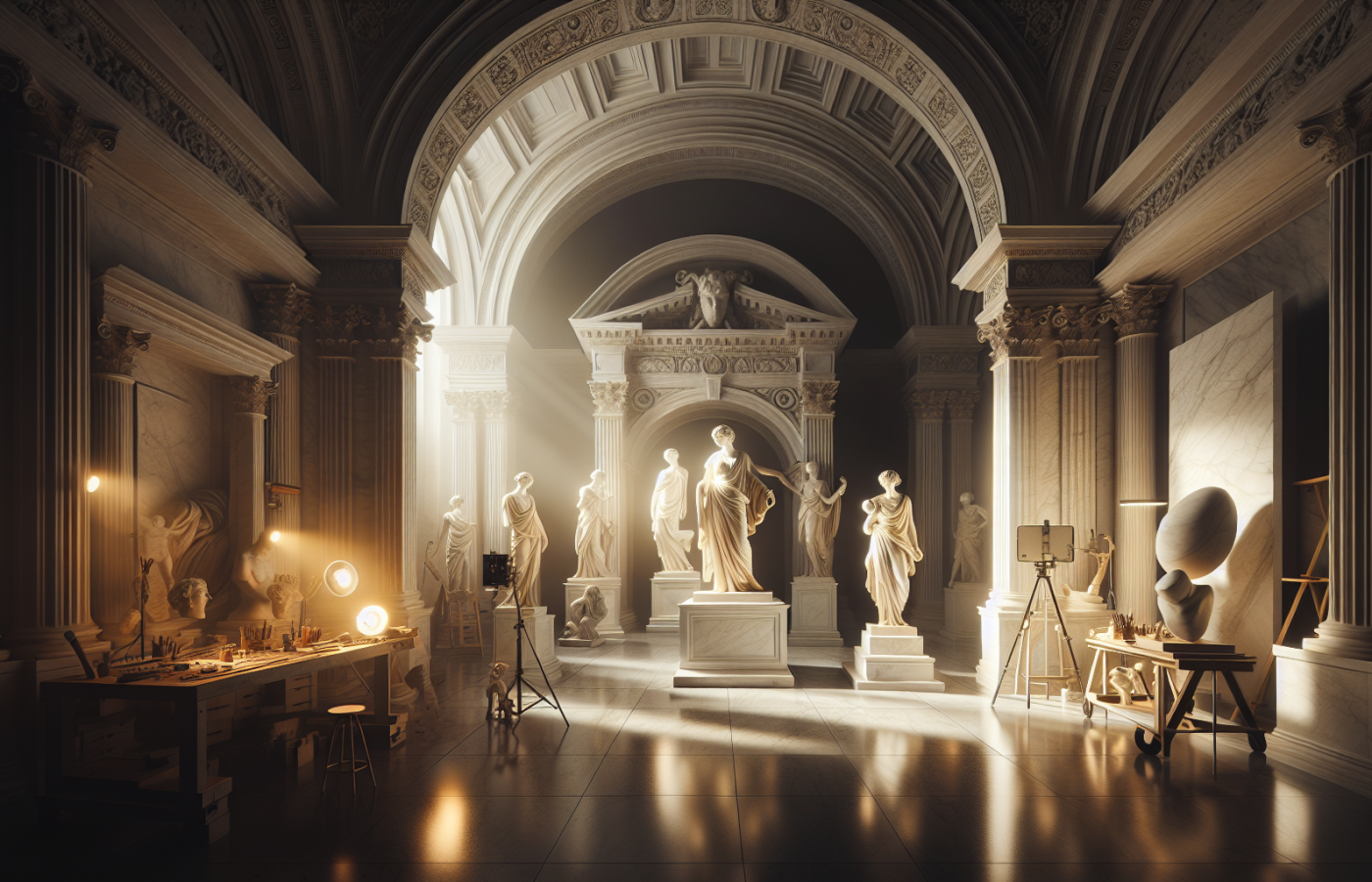
Christian statues hold profound significance for believers, serving as visible symbols of faith and divine presence. Whether for church decor, personal devotion, or as gifts, the process of acquiring a statue requires careful consideration. Mistakes made during this process can lead to financial loss and a lack of respect for these sacred symbols. This guide outlines five common pitfalls to avoid when purchasing Christian statues and offers insights for making informed decisions.
1. Neglecting to Research Reputable Manufacturers
Choosing the right manufacturer is crucial in the acquisition of Christian statues. The quality, authenticity, and durability of a statue are influenced by its production location and methods. Inferior statues may feature inaccurate depictions and unstable structures, leading to deterioration over time.
How to Avoid This Mistake:
- Understand Delivery and Return Options: When purchasing Christian statues internationally, familiarize yourself with delivery options, return processes, and potential import taxes to avoid unexpected costs.
- Verify Manufacturer Reputation: Investigate the reputation of the manufacturer by reviewing customer feedback and assessments.
- Examine Material and Craftsmanship: Assess the construction details and material choices, as reputable manufacturers typically use high-quality materials such as marble, wood, or bronze.
- Check Manufacturer Experience: A manufacturer with extensive experience in religious sculpture production is likely to deliver superior quality.
- Request Images and Specifications: Obtain detailed images and technical information from sellers before finalizing your order, especially for online purchases.
2. Overlooking Material and Durability
The materials used for Christian statues serve different purposes and should be chosen based on their longevity and suitability for the intended placement. Some buyers focus solely on aesthetics, neglecting the importance of durability.
Types of Materials and Their Benefits:
- Resin: Affordable and lightweight, but not suitable for outdoor use due to its lack of durability.
- Wood: Offers a traditional appearance but requires moisture protection and pest control.
- Marble: Known for its elegance and durability, though it is heavier and more expensive.
- Bronze or Metal: Ideal for outdoor applications, maintaining quality through various weather conditions.
- Plaster: Primarily used for indoor decorations, though it is less durable than other materials.
3. Ignoring the Size and Scale
When selecting a Christian statue, it is essential to consider the size and scale in relation to the intended space. A statue that is too large or too small can disrupt the visual harmony of the environment.
4. Failing to Consider the Purpose
Understanding the intended purpose of the statue—whether for personal devotion, garden display, or church decor—can guide the selection process and ensure that the chosen piece resonates with its intended use.
5. Not Seeking Expert Guidance
Consulting with experts in sculpture can provide valuable insights and recommendations tailored to individual needs. Art Sculpture Studio offers expertise in selecting the right pieces for various settings.
In conclusion, acquiring a Christian statue is a meaningful endeavor that requires thoughtful consideration. By avoiding these common mistakes and seeking guidance from Art Sculpture Studio, buyers can ensure that their selections honor both their faith and aesthetic preferences. For further assistance or to explore a curated selection of exquisite sculptures, contact Art Sculpture Studio or visit artsculpture.studio.